Nitrogen deficiency

Nitrogen deficiency

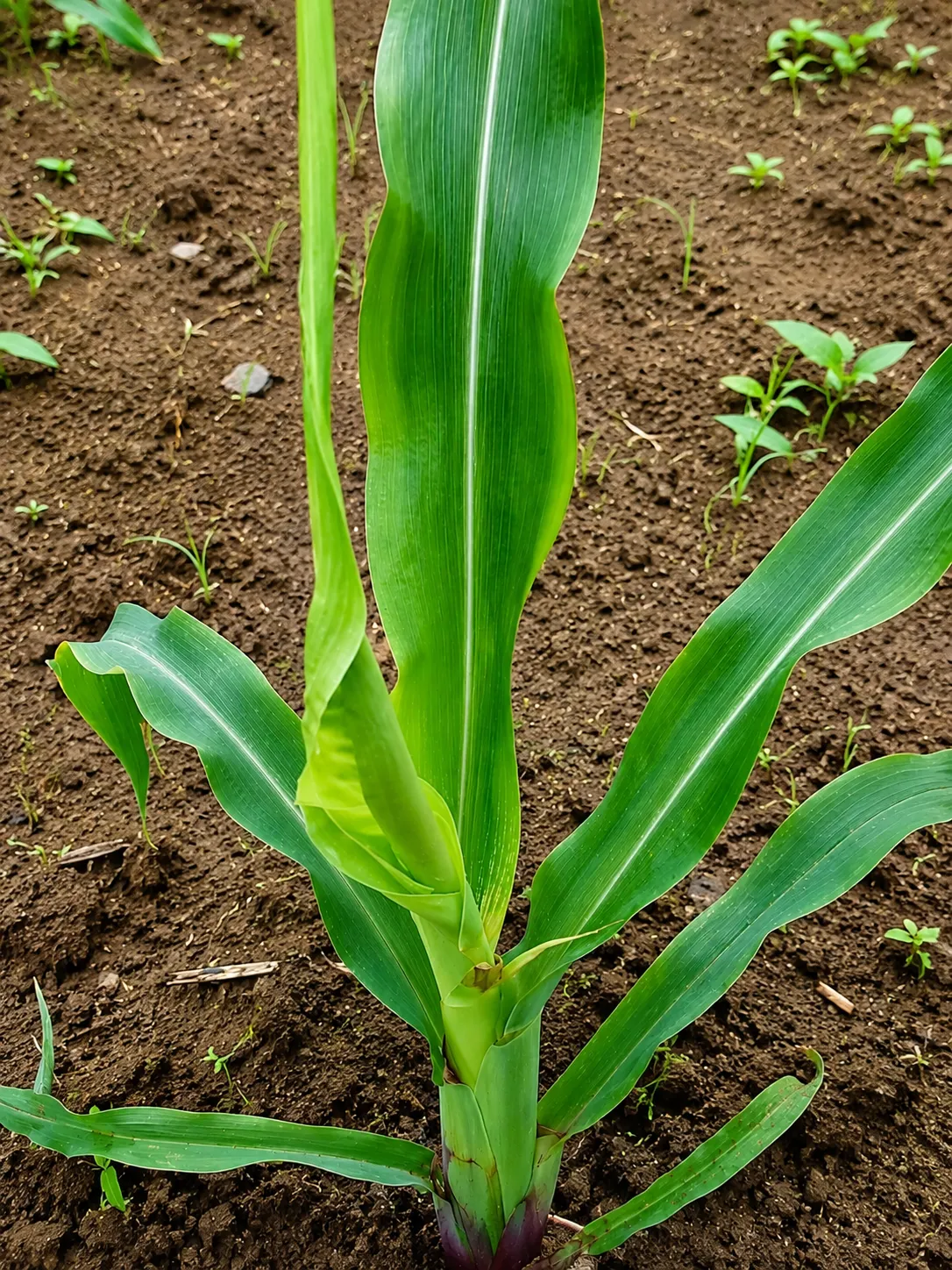
Symptoms

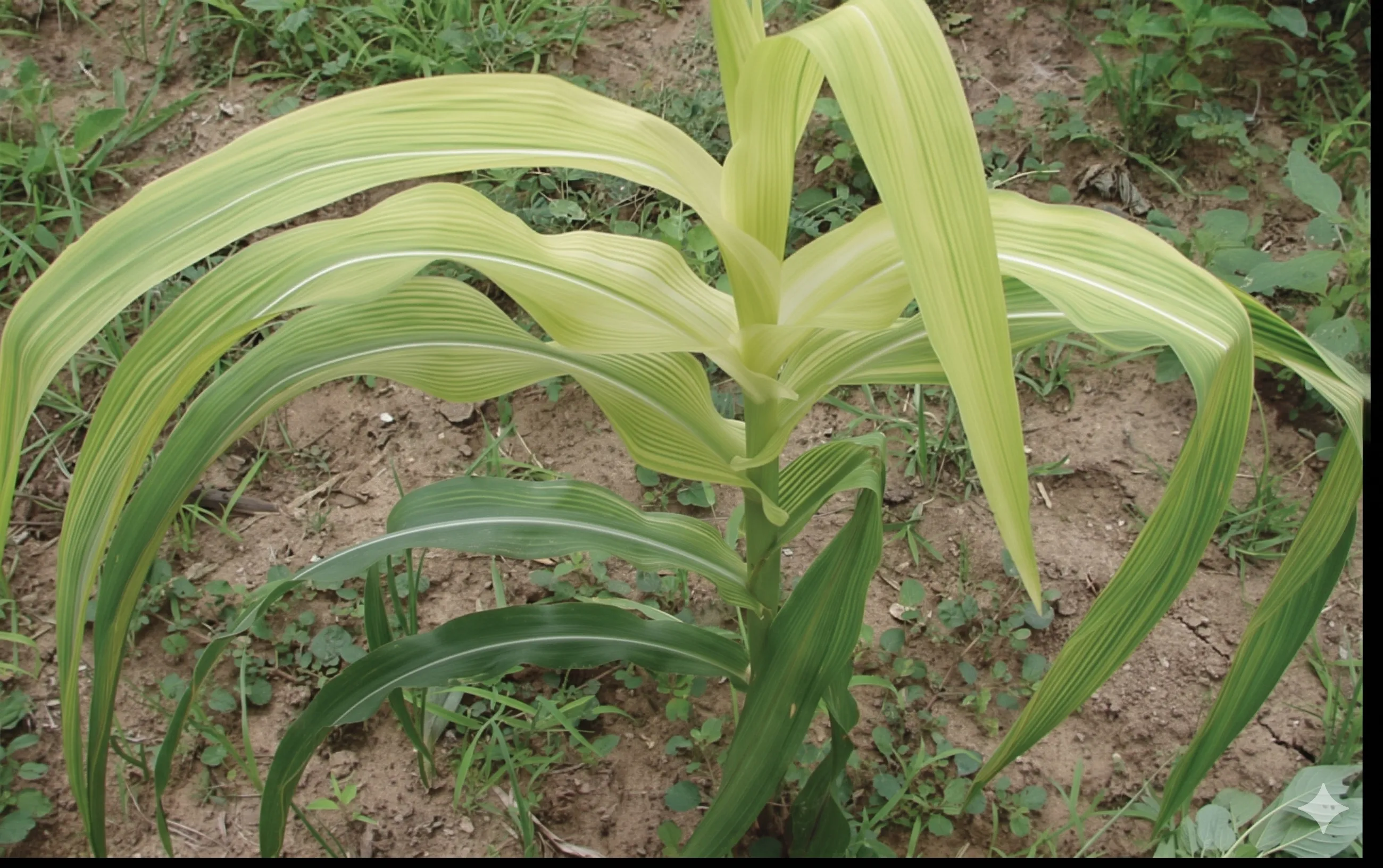
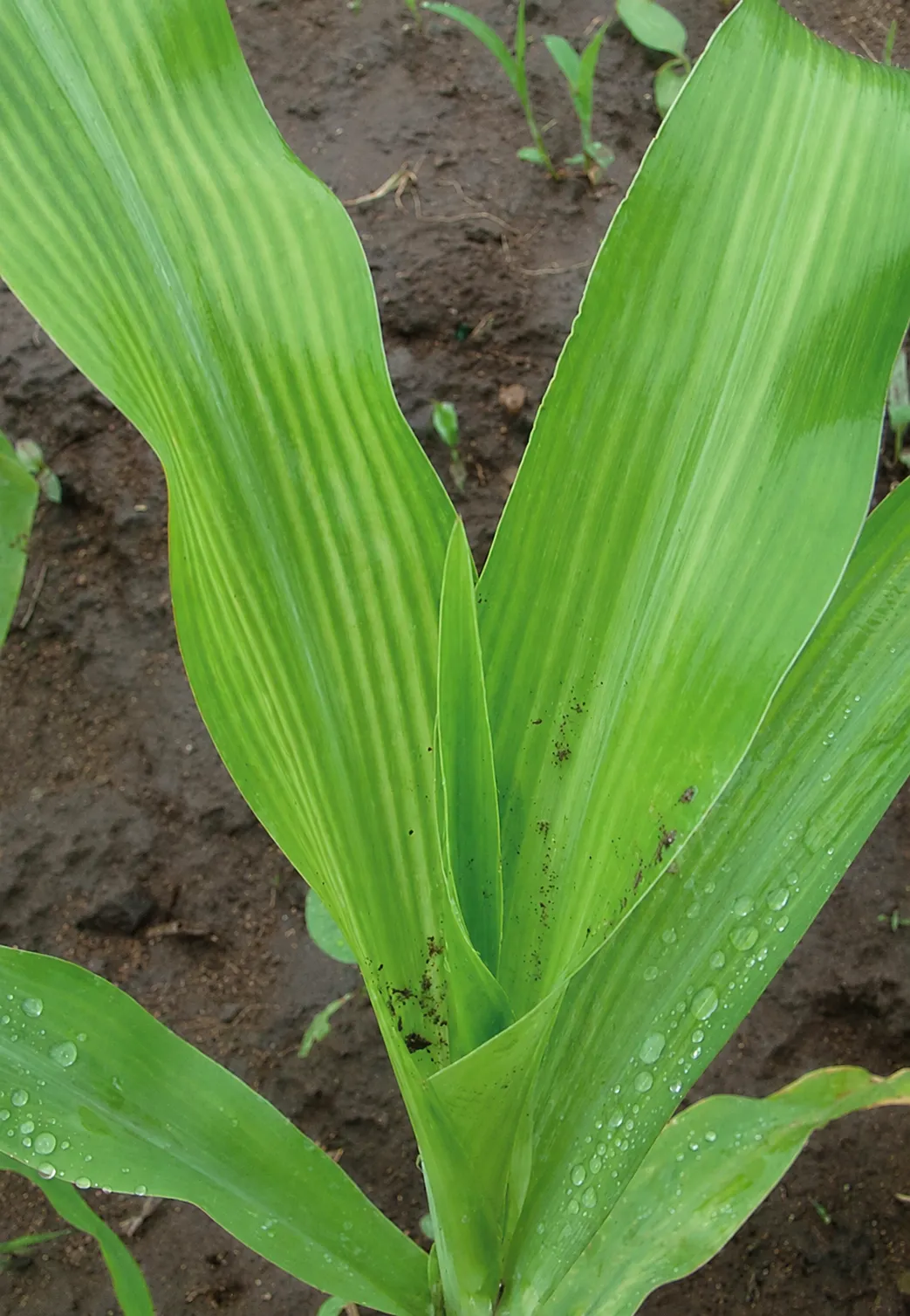
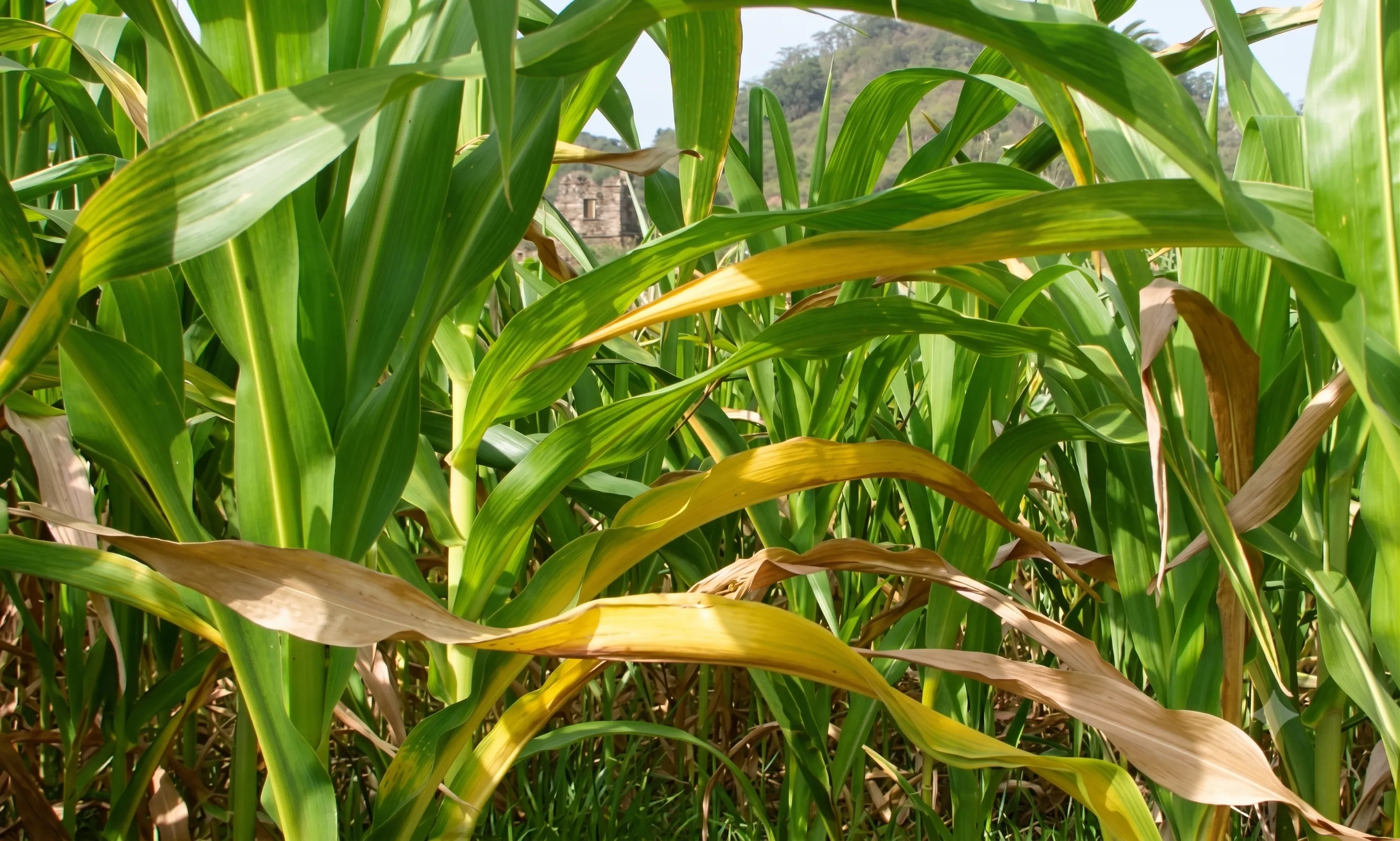
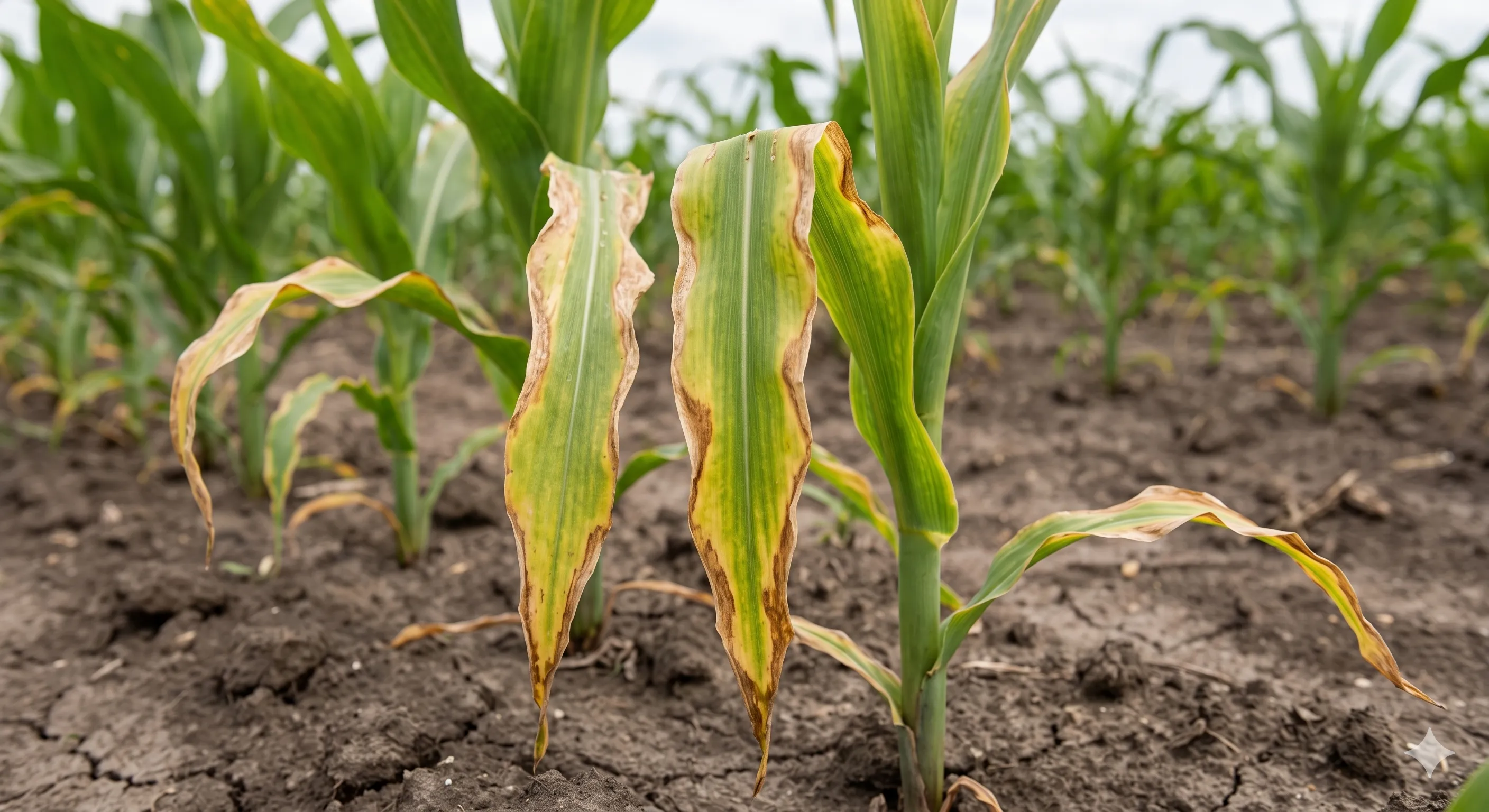
Characteristic symptom: Yellow V-shaped pattern on older leaves. Plants become stunted, with thin stems and reduced leaf growth. The entire plant initially appears pale green. Yellowing starts at the tip of the older, lower leaves and progresses towards the leaf base along the midrib. The yellow area forms an inverted V-shaped pattern, with the broader part extending towards the leaf base. As the deficiency worsens, affected tissue turns pale brown, dries and dies. Older leaves may become dry while middle leaves turn yellow or brown and younger leaves remain relatively green. Ears become small, with fewer kernels and poorly filled kernels, especially near the tip.

Recommendations (1)
Urea

Apply the recommended quantity of urea to the soil. In addition, Nano Urea can be added to the insecticide spray, provided compatibility with the insecticide and other tank-mix components is confirmed before spraying.
Phosphorous deficiency

Phosphorous deficiency

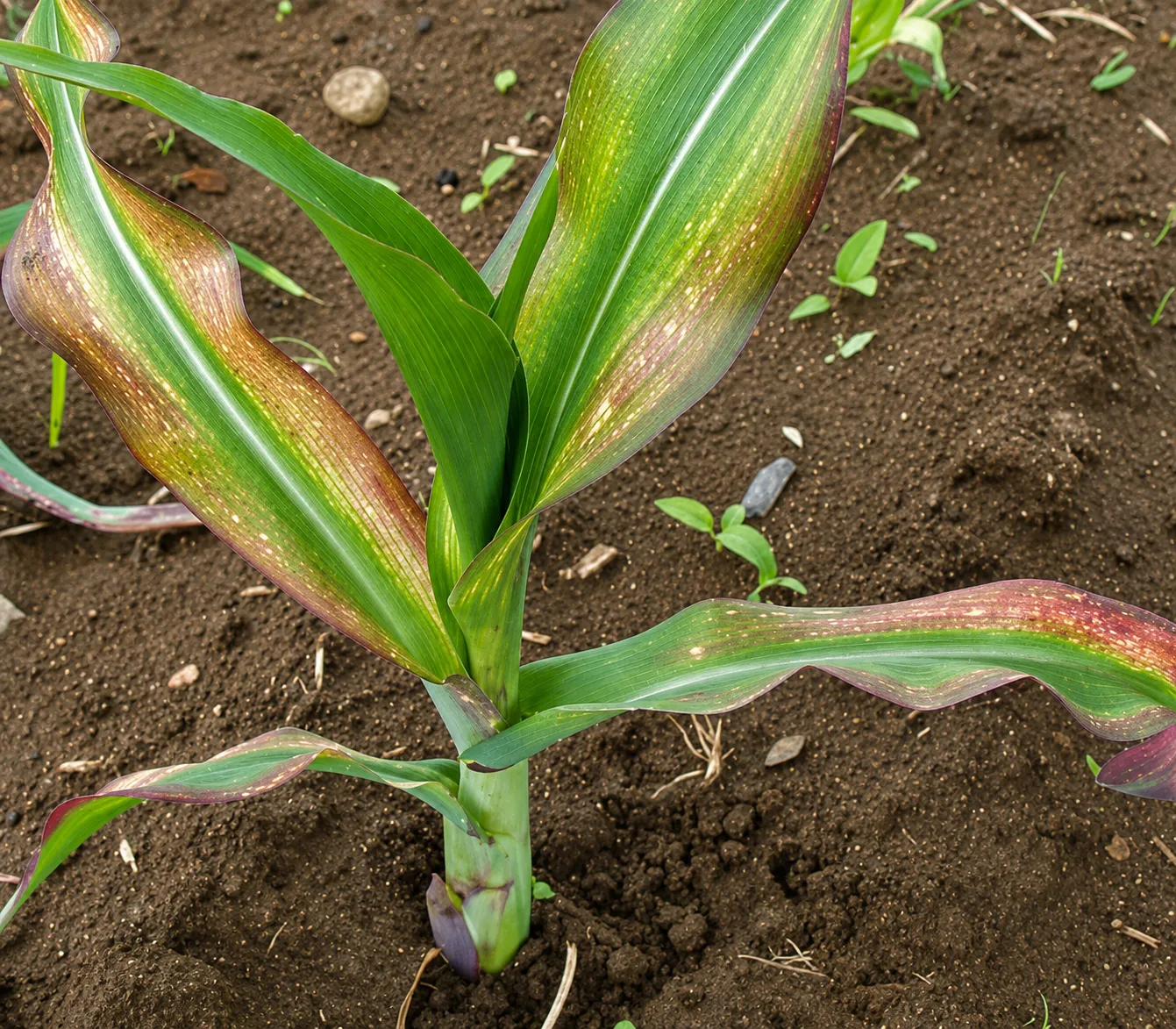
Symptoms

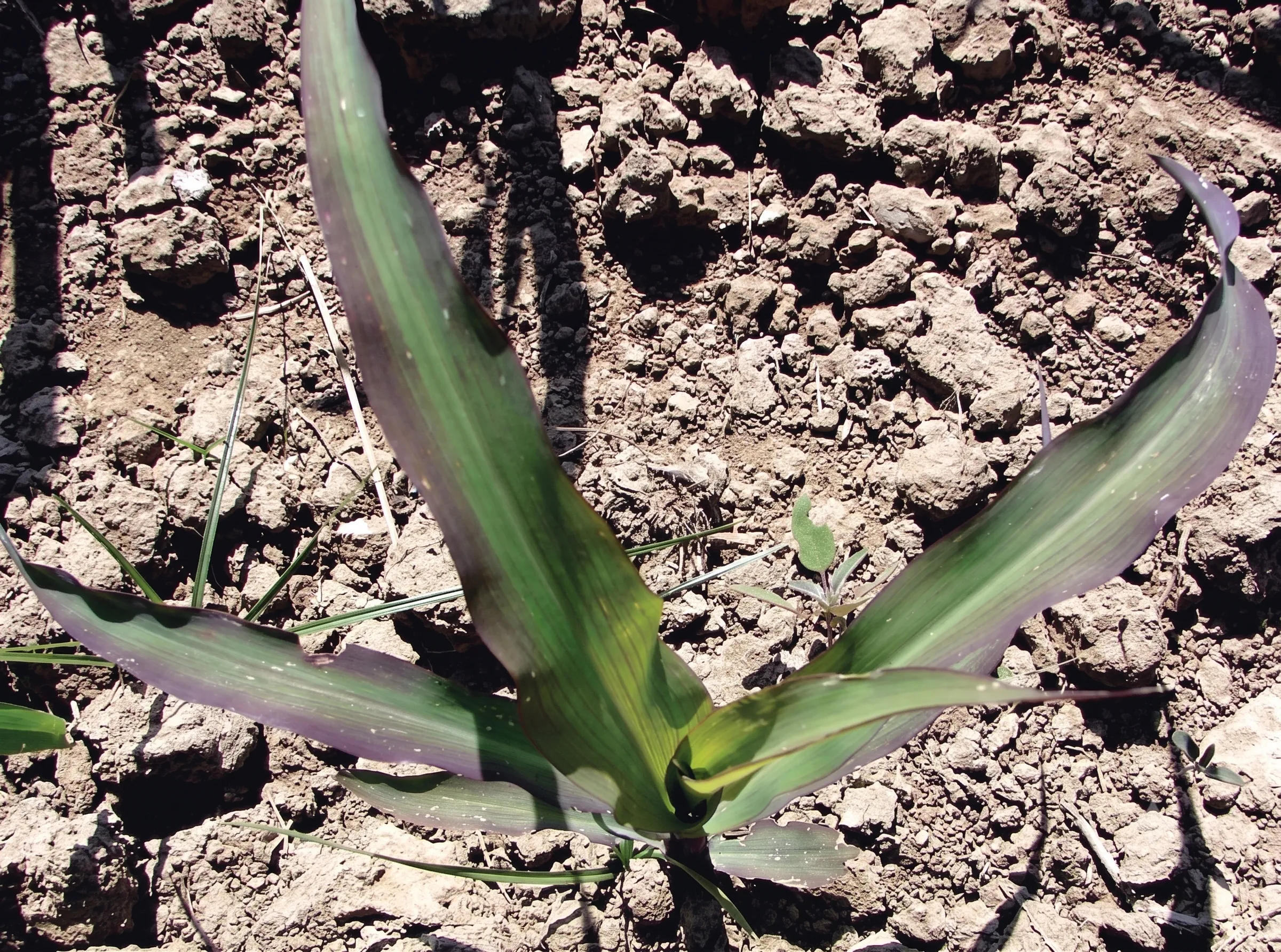
Characteristic symptom: Dark green leaves with purple or reddish margins Plants grow slowly and become short, thin and spindly. Leaves may appear unusually dark green or bluish-green. Purple or reddish-brown discolouration develops first along the tips and margins of older leaves. The purple colour may spread along the leaf margins towards the base. In severe cases, much of the leaf becomes reddish-purple or brown. Brown, dead tissue may develop at the tips and along the margins of affected leaves. Plants mature late and produce small ears with poorly developed kernels.

Recommendations (2)
DAP

For drip irrigation, use 12:61:0 (Mono ammonium phosphate)

20:20:0:13 Complex

In case of severe deficiency symptoms, spray Mono ammonium phosphate or Nano DAP. Based on compatibility this can be mixed withed required insecticide or fungicide. Strictly avoid mixing with weedicides.

Potassium deficiency

Potassium deficiency

Symptoms

Characteristic symptom: Yellowing and scorching along older leaf margins Plants become stunted, with short internodes and thin stems. Symptoms appear first on older, lower leaves; younger leaves often remain green initially. Yellowing starts at the leaf tip and spreads along both margins towards the base. The yellow margins gradually turn brown, dry and scorched. In affected leaves, the central midrib and much of the inner leaf tissue may remain green while the edges die. Severe deficiency may cause reddish strips on the lower stem and leaf sheaths. Ears become small and pointed, with poorly filled kernels at the tip.

Recommendations (1)
Muriate of potash

For drip irrigation apply sulphate of potash (0:0:50). In case of severe deficiency symptoms, in addition to soil application, spray 13:0:45. If required, add a compatible insecticide for fall armyworm or stem borer control.

Zinc deficiency

Zinc deficiency

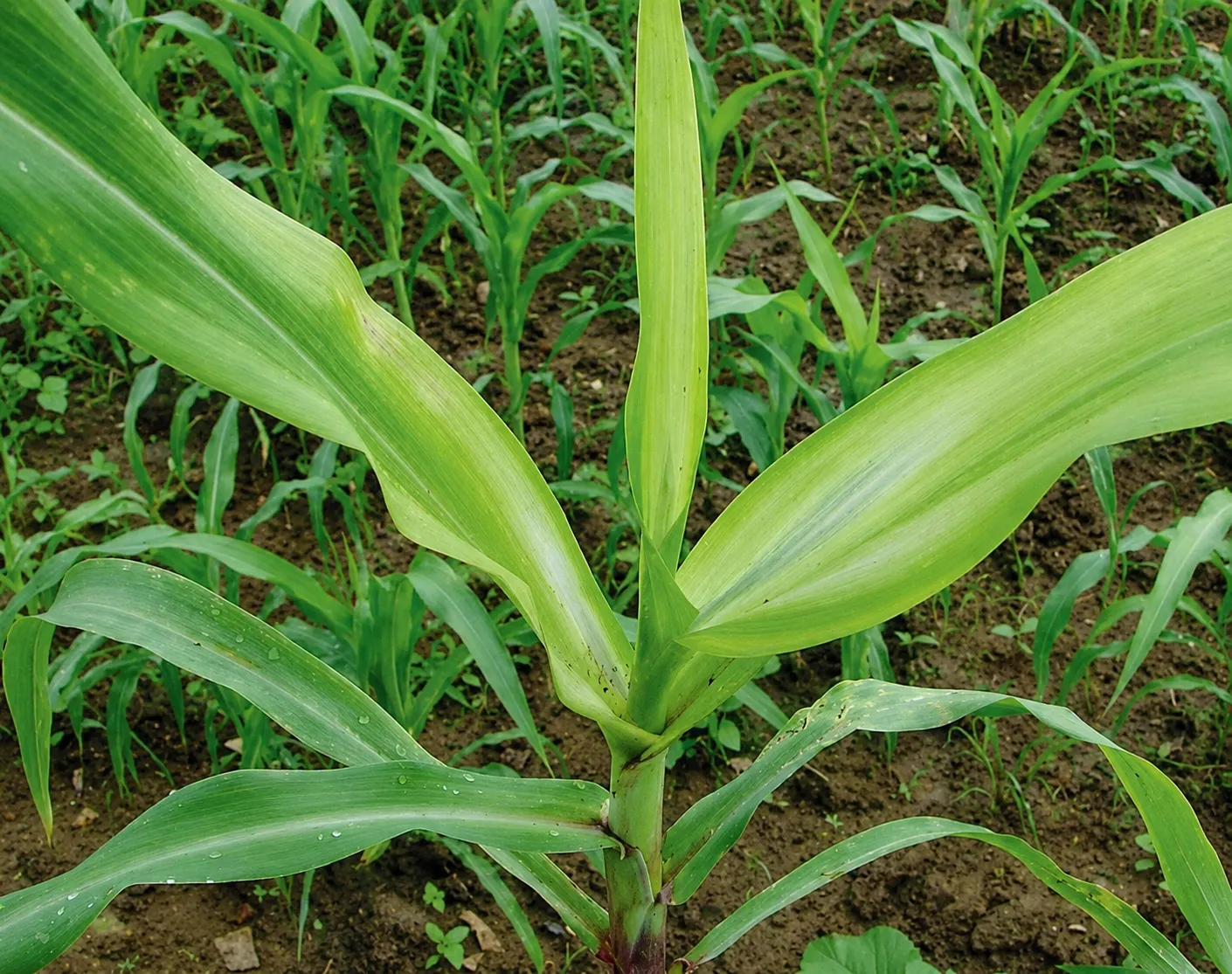
Symptoms

Characteristic symptom: Broad white or yellow bands on either side of the midrib Symptoms commonly appear within about two weeks after seedling emergence. The youngest leaves are affected first, while older leaves may remain green. Broad white or yellow bands develop on both sides of the midrib, beginning near the base of the leaf. The midrib and outer leaf margins generally remain green. The bands are most prominent on the basal half of the leaf, rather than extending uniformly along its entire length. Internode elongation is restricted, causing the upper leaves to become crowded and form a fan-shaped appearance. Severe deficiency can cause pale grey, dead tissue, delayed silk emergence and abnormal tassel development.

Recommendations (1)
Zinc Sulphate

Applying as basal fertilizer is highly recommended to avoid deficiency. In case of sever deficiency, spray Zinc EDTA in addition to soil application.

Sulphur deficiency

Sulphur deficiency

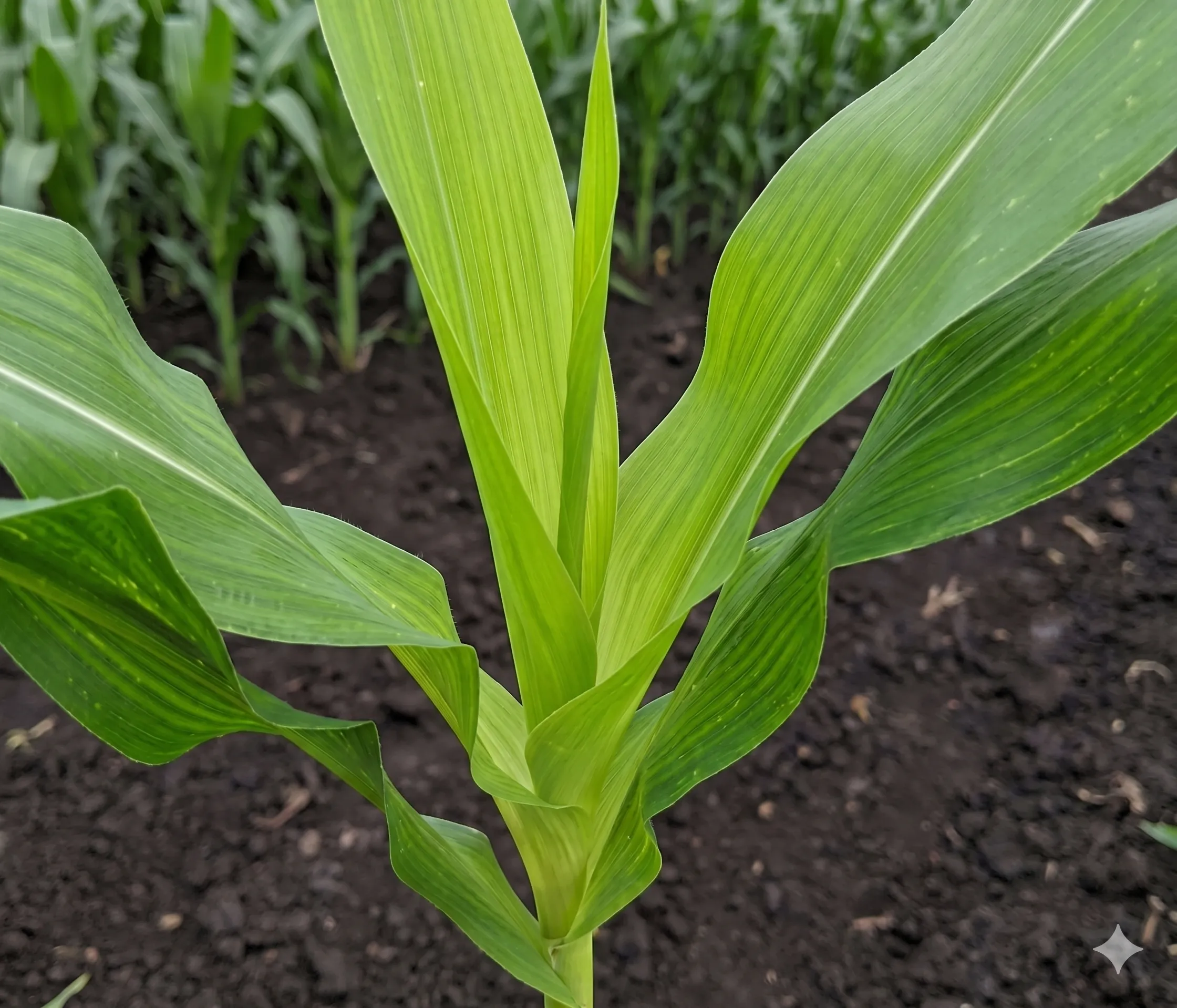
Symptoms

Characteristic symptom: Uniform pale yellowing of young leaves Plants become stunted, thin and spindly, with delayed maturity. Symptoms are most pronounced on the youngest, upper leaves. Young leaves turn pale green and then pale yellow. Yellowing generally affects the entire leaf uniformly, including both the veins and the tissues between them. Older leaves may remain relatively darker green during the early stages. In severe cases, the youngest leaves may become yellow to almost white, usually without the initial marginal scorching typical of potassium deficiency. Overall plant growth and grain yield decline. Key distinction from nitrogen deficiency: Nitrogen deficiency typically starts on older leaves and produces an inverted V-shaped yellow pattern. Sulphur deficiency is usually more pronounced on young leaves, with relatively uniform yellowing across the leaf.

Recommendations (1)
Elemental Sulphur

Applying sulphur containing fertilizers like 20:20:0:13 and/or Ammonium sulphate / Zinc sulphate may help to avoid sulphur deficiency.

Calcium deficiency

Calcium  deficiency

Symptoms

Characteristic symptom: Deformed, torn and tightly rolled young leaves Plants become stunted, with short, thick stems. Symptoms appear first on the youngest, emerging leaves; older leaves may remain dark green and relatively healthy. Young leaves develop pale green areas followed by yellow or white lesions between the veins. The leaf blade becomes malformed, torn or ragged. Affected young leaves may remain rolled, and their tips may stick together instead of separating normally. In severe cases, newly emerging leaf tips remain joined together, producing a ladder-like appearance in the whorl. Under acute deficiency, the youngest leaves may die.

Recommendations (1)
Calcium Nitrate

If mild deficiency symptoms are noticed at early crop stages, spray Calcium EDTA. For moderate or severe deficiency, apply Calcium Nitrate to soil.

Magnesium deficiency

Magnesium deficiency

Symptoms

Characteristic symptom: Interveinal yellow striping on older leaves. Symptoms begin on older, lower leaves. Yellow or whitish bands develop between the veins, often running parallel to the midrib. The veins remain greener than the surrounding yellow tissue, creating a striped appearance. As the deficiency progresses, the yellow areas may develop reddish, purple or rust-brown discolouration. Leaf tips and margins may turn brown, dry and die in severe cases. Older leaves may eventually become severely damaged and hang down. Younger leaves are often less affected during the early stages.

Recommendations (1)
Magnesium sulphate

For mild symptoms, one or two sprays of Magnesium EDTA may be enough

Iron deficiency

Iron deficiency

Symptoms

Characteristic symptom: Yellow bands between the veins of young leaves Symptoms begin on the youngest leaves while older leaves remain relatively normal. The tissues between the veins become pale green and then pale yellow. Veins remain green and prominent, producing clear interveinal striping. Unlike typical zinc deficiency, the chlorotic bands extend along almost the entire length of the affected leaf. As the deficiency becomes severe, the green veins also lose their colour. In acute cases, the leaves become yellow-white or bleached, sometimes with a papery appearance

Recommendations (1)
Ferrous SUlphate

For mild symptoms spraying Ferrous EDTA may be sufficient. For severe symptoms follow soil application together with spraying.

Manganese deficiency

Manganese deficiency

Symptoms

Characteristic symptom: Interveinal chlorosis with pale or white flecks Plants may become stunted, with short, thin stems. Symptoms appear first on younger leaves. Leaves become pale green and develop yellow discolouration between the veins. The veins remain relatively green and prominent. In severe cases, small white or pale flecks develop within the yellow interveinal areas. Leaf tissue may become extensively pale yellow as the deficiency progresses. Ears and kernels may remain small, reducing grain yield.

Recommendations

No recommendations available